In a complete turnaround from yesterday, I am in love with today’s prompt! A ghazal was the ideal form to repeat Idunn’s name throughout, like a chant or a prayer. I can’t believe I didn’t think of it before. The length of 5-15 couplets meant I could easily make it 9, a Norse holy number. With introduction/conclusion couplets, I was left with 7, which was a perfect solution for which gods I would include: the gods of our weekdays. (I took poetic license with Saturday as the Norse did not have an official name for it, hence the Roman god placeholder of Saturn. I also chose Freyja over Frigg for Friday as I liked my concept better.) Can you identify the other groups of 7 I included?
Part of the prompt is to write as though it is a love song, and for me, it is. Love for my gods. So there we are.
The reference to myself is the capitalized Solace in the final couplet.
Poem prompt: “Today’s featured resource is a bit silly: it’s the Museum of Bad Art. Now, bad art – like good – is in the eye of the beholder, and I rather like some of the paintings in the museum’s whimsical collection.
And now here’s today’s totally optional prompt!
The ghazal (pronounced kind of like ‘huzzle,’ with a particularly husky ‘h’ at the beginning) is a form that originates in Arabic poetry, and is often used for love poems. Ghazals commonly consist of five to fifteen couplets that are independent from each other but are nonetheless linked abstractly in their theme; and more concretely by their form. And what is that form? In English ghazals, the usual constraints are that:
- the lines all have to be of around the same length (though formal meter/syllable-counts are not employed); and
- both lines of the first couplet end on the same word or words, which then form a refrain that is echoed at the end of each succeeding couplet.
Another aspect of the traditional ghazal form that has become popular in English is having the poet’s own name (or a reference to the poet – like a nickname) appear in the final couplet.
Want an example? Try Patricia Smith’s ‘Hip-Hop Ghazal.’
Now try writing your own ghazal that takes the form of a love song – however you want to define that. Observe the conventions of the repeated word, including your own name (or a reference to yourself) and having the stanzas present independent thoughts along a single theme – a meditation, not a story.”
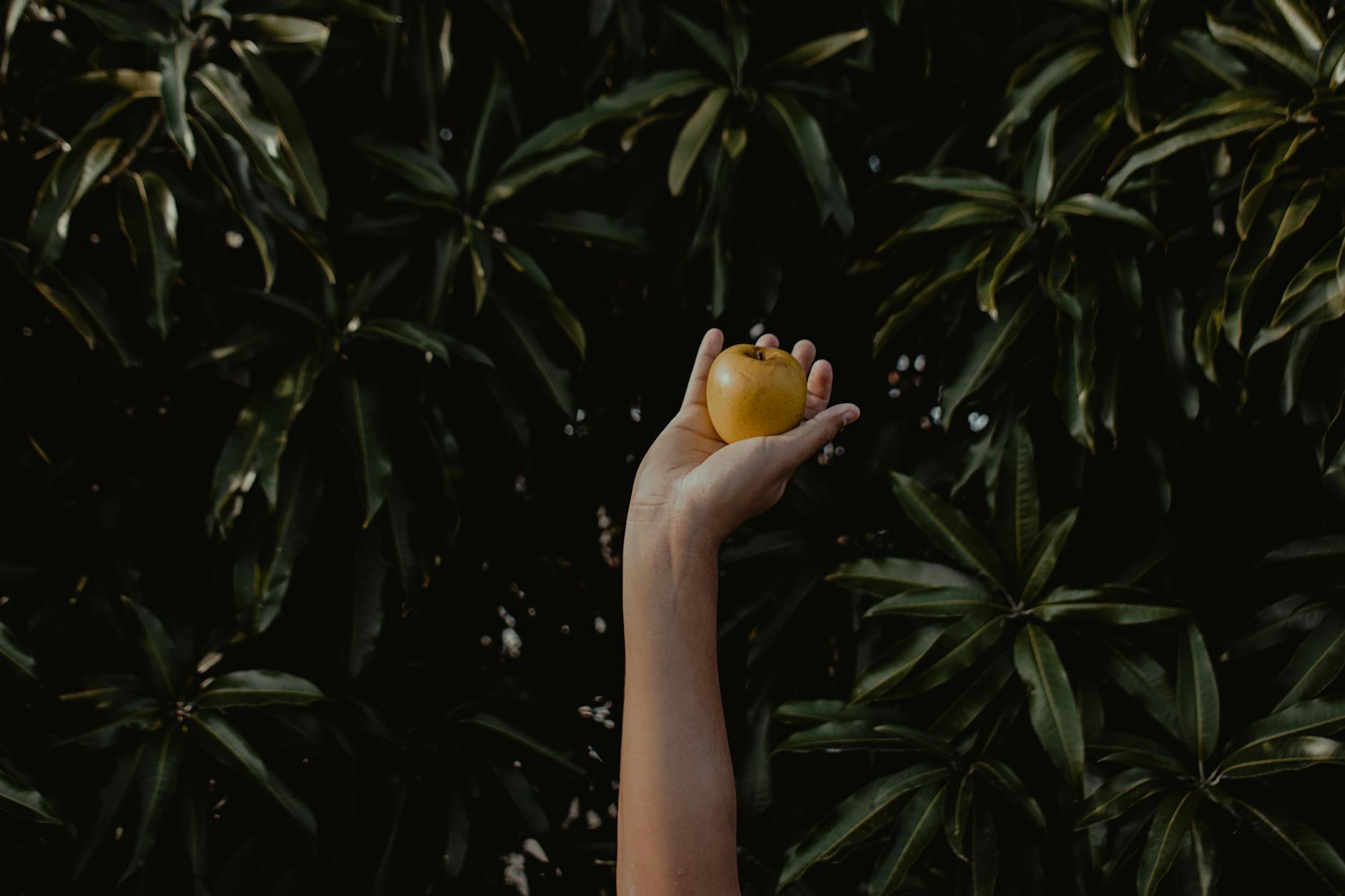
Over Bifröst to the Fountain of Youth (a ghazal)

The gods hear her and taste her in every part of the day, Idunn!
Fountain of Youth found with the valkyrie daughter, Idunn!

Sunna peeks sleep-ashen red eyes over the pine-pricked horizon,
tundra-dry with Sandman's curse, ready for first fruit from Idunn.

Mani trembles in midday spotlight, harvest-danced like rutabaga,
evading the wolf and searching for the offered hand of Idunn.

Tyr stretches battle-weary arms, blonde hairs soaked with dried blood,
holding out his one hand for a drinking horn of apple cider from Idunn.

Woden relaxes in his hall's stargazer chair wrapped in green vines,
plotting a trip after the nightly boar feast to the gardens of Idunn.

Thor bruises the sky's eyes a blacker blue with his hammer in haste
to palate cleanse with an apple delight from the kitchen of Idunn.

Freyja urges her chariot along, coaxing two indigo cats with whispers
that they might fish a godly cod dessert from the basket of Idunn.

Sif lays in the orchard with purple clematis crawling over her waist,
wasting the day away, young and no longer hungry—thanks to Idunn.

Blackbirds swoop to spread honeysuckle and apple seeds and Solace,
innocence and instinct planting a renewed forest, Fountain of Idunn.
 Saralyn Caine Poetry