Today’s prompt suggested the use of alliteration and punning / wordplay. I’m not great at puns, but I’ll work in homophones and related words all day long. And alliteration is my schtick. If I can have alliteration and still make it meaningful and flow naturally, I get giddy.
I decided to challenge myself with the Fibonacci form, where syllable count on each line follows the golden ratio: 1, 1, 2, 3, 5, 8, 13, and so on, where each subsequent number adds the previous two together. Past 13 syllables gets quite unwieldy though, so I stopped there to do a “bell curve” variation that tapers back down to one. I wanted to put the restriction on myself to see how creative I could get with my word choices. I like how this poem starts out very simply, transitions to flowery language, then becomes simple again. My goal was to depict the human desire for immortality and omniscience, with the ultimate understanding that it’s unattainable. This ties in with my Idunn theme, as she provides longevity to the gods, not to mortals (as much as I adore her).
Other notes:
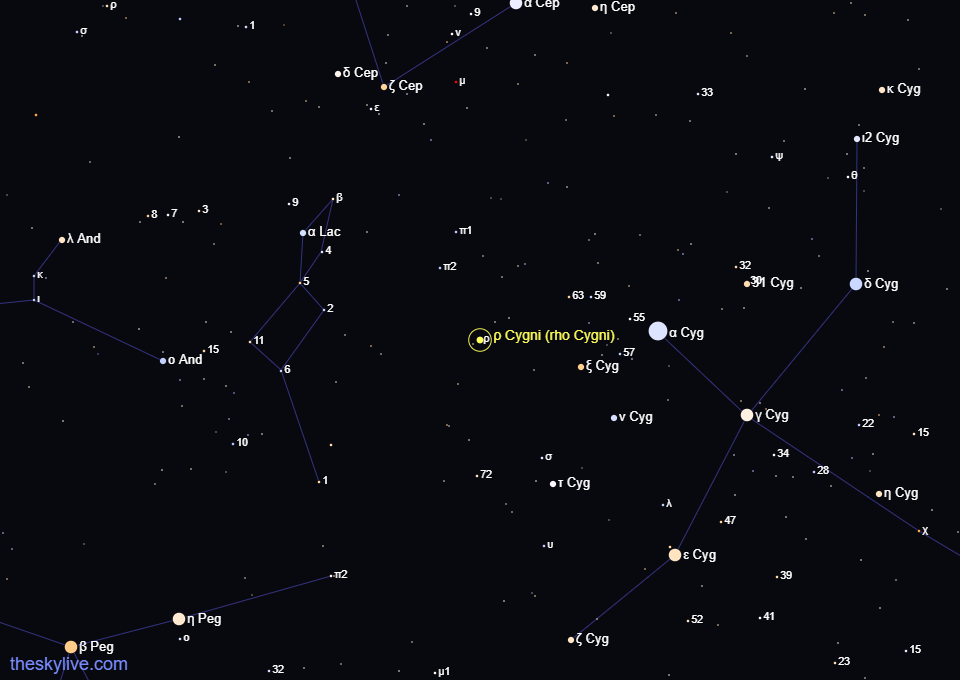
See poem prompt below. The word I came up with that I have trouble spelling was rhododendron—I don’t really have trouble per se, but it’s a long word and gives me pause when I have to spell it out. I also love the word and haven’t used it in a poem before. This led to the wordplay with row, roe, and Rho (the 17th letter of the Greek alphabet, which I learned today is also used to identify the 17th star in a constellation. Neat!).
Rho Cygni is a star in Cygnus (the swan), and actually is located where the swan’s foot would be in flight. The constellation has the neck and head of the swan facing downward.
A word I can never remember the meaning of is ennui.
I wanted to include a reference to the rune wunjo—pronounced woon-yo—which led me to brainstorm what English phrase might sound like those syllables. Hence, “wound your” and the way the rest of the poem unravels. Ironically, the rune actually represents joy.
The title, Malum, references the Latin words for apple and bad. Interpret this as you will. The translators of the Old Testament did.
Poem prompt: “Today’s featured resource is a virtual visit to the Sistine Chapel. I went there many years ago and marveled at the wonderful paintings (while also getting quite the crick in my neck from craning up to look at the ceiling). But when I went to talk over them later that day with the friend I was traveling with, he admitted that he couldn’t really see anything because he’d forgotten to put in his contacts that morning (!)
Now for our daily prompt (optional, as always). Yesterday, we looked at a poem that used sound in a very particular way, to create a slow and mysterious feeling. Mark Bibbins’ poem, ‘At the End of the Endless Decade,’ uses sound very differently, with less eerieness and more wordplay. Today, we’d like to challenge you to write a poem that, like Bibbins’, uses alliteration and punning. See if you can’t work in references to at least one word you have trouble spelling, and one that you’ve never quite been able to perfectly remember the meaning of.”
Malum

Know
flow
row your
boat down the
gods' galactic stream.
Stars glimmer wistful mist like roe
in Rho Cygni, the swan toe, rhododendron's ennui
then wounds your trek, a night-wake ache,
a throat-stuck apple—
Forever's
not meant
for
us.
 Saralyn Caine Poetry