A short prayer for Idunn today.
The example poem utilizes 10-15 syllables per line, though the prompt claims the form the author created to be 12 syllables per line. To be fair, the ending is consistent at 12 syllables. Either way, my poem keeps the lines tight at 10-11 syllables. His poem is technically three separate poems of six lines each. I kept mine at one poem so I could apply an acrostic of the rune WUNJO, to reinforce the message of finding joy/happiness in the face of transient pain. Since the name of the rune is only five letters, I began with I for the goddess I am addressing.
Poem prompt: “Our daily resource is the online collection of the Museu de Arte de São Paulo, founded in 1947 by Brazilian businessman Assis Chateaubriand. Here, you’ll find everything from old masters to mysterious photographs.
Finally, here’s our prompt for the day (optional, as always). Donald Justice’s poem, “There is a gold light in certain old paintings,” plays with both art and music, and uses an interesting and (as far as I know) self-invented form. His six-line stanzas use lines of twelve syllables, and while they don’t use rhyme, they repeat end words. Specifically, the second and fourth line of each stanza repeat an end-word or syllable; he fifth and sixth lines also repeat their end-word or syllable. Today, we challenge you to write a poem that uses Justice’s invented form.”
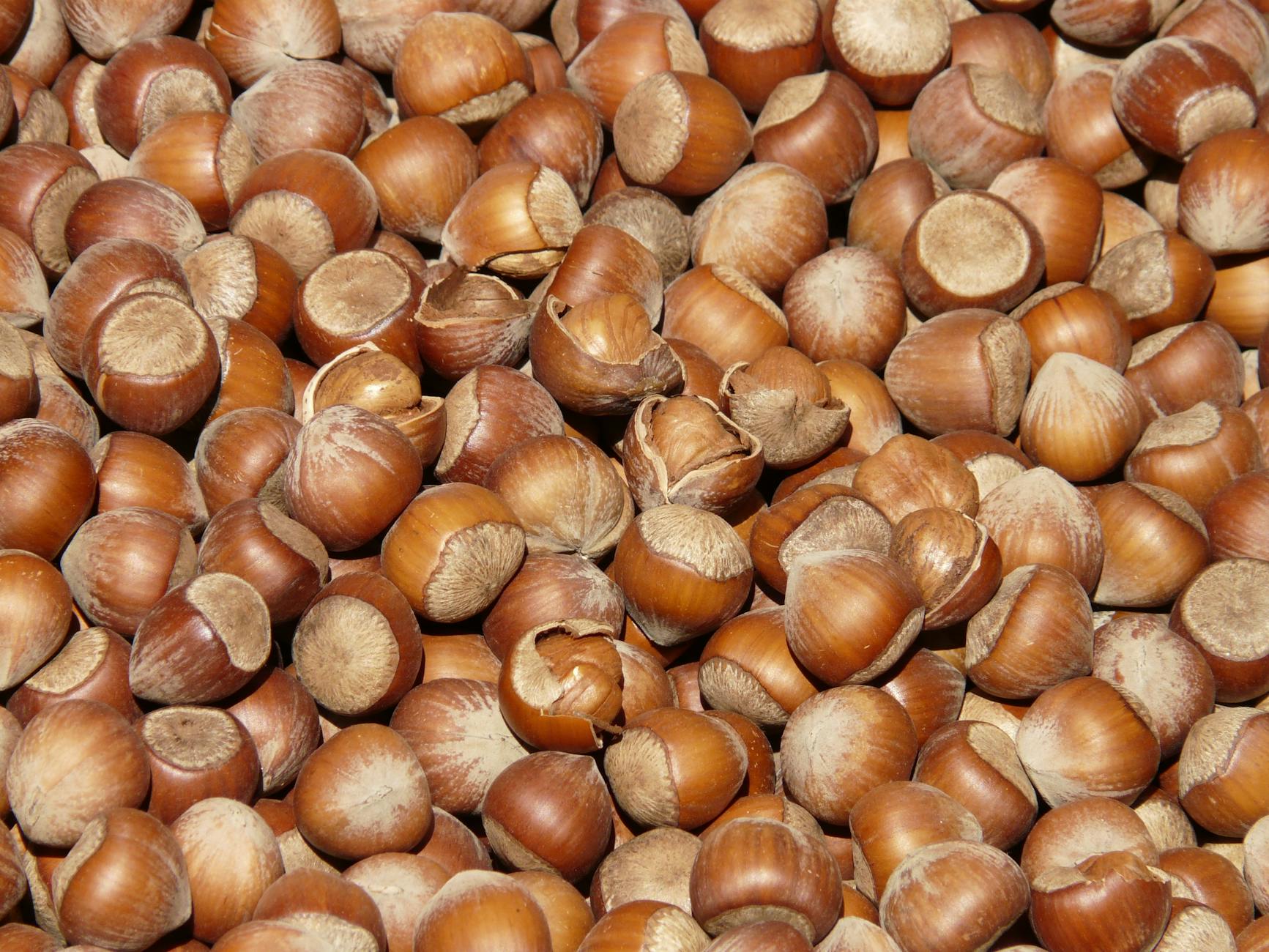
I Shall Not Cry Out

Idunn, I feel you in the squirrel’s gentle hop
Whether in sun or rain. She finds her nut
Under a molehill belying her cache;
Night hides but can’t erase your hazelnut.
Just one step on darkened grass with my feet bare
Over the apex merges Souls through blood bare.
 Saralyn Caine Poetry